3D Metal Model Kits
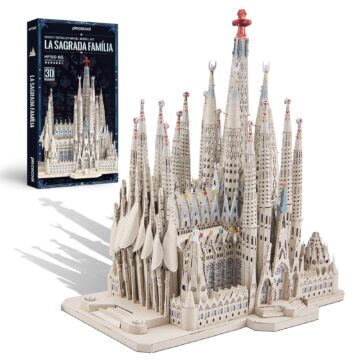
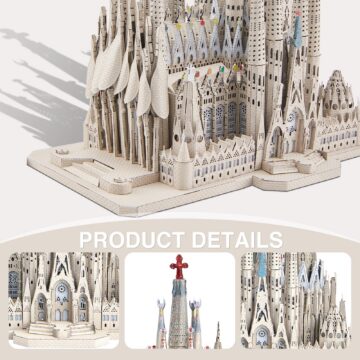
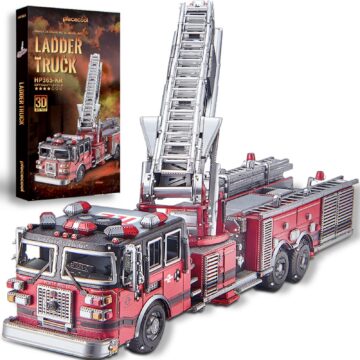
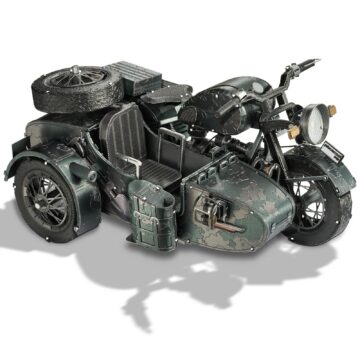
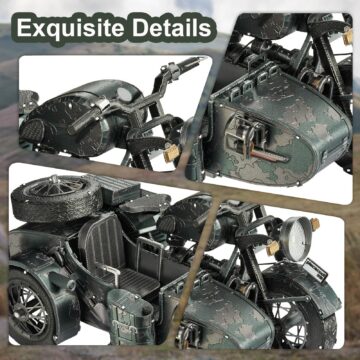
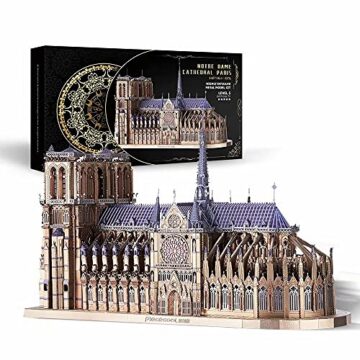
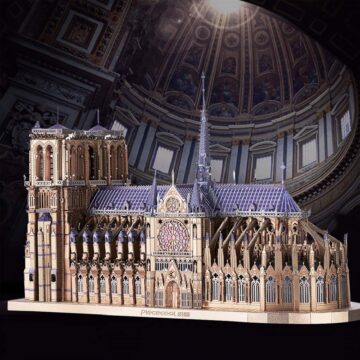
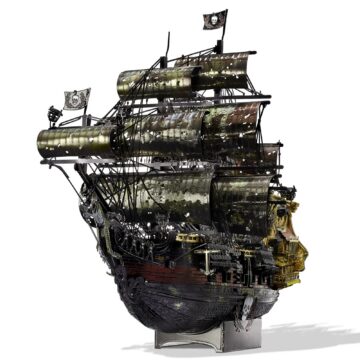
3D metal model kits use pre-cut sheets, small tabs and folded panels to create detailed display pieces. They suit builders who enjoy precision work and do not mind using tweezers, smooth-jaw pliers or dedicated tab tools. This collection includes animals, vehicles, architecture and mechanical-looking sculptures.
Read the complete buying guide
Choose by complexity, not only piece count
Curved armour, repeated scales and enclosed shapes often take more control than flat panels. Check the recommended age, tool list and finished dimensions. Most metal models do not use conventional glue, but assembly methods vary and the product instructions take priority.
Use a bright work area and a tray that catches very small parts.
Make accurate bends the first time; repeated folding can weaken a tab.
Protect coloured or polished finishes with smooth tools.
Plan the display base before completing the most delicate extremities.
Who these kits suit
Metal kits are generally a better match for patient hobbyists than for a first miniature project. If you prefer wood, compare the 3D wooden puzzle collection. For metal-specific buying and tool advice, read the 3D metal model guide.
Affiliate disclosure: My Cutebee may earn a commission from qualifying purchases made on Amazon.
Showing 13–24 of 25 results


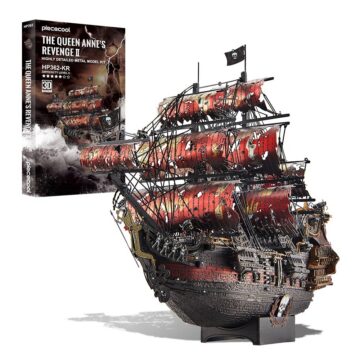
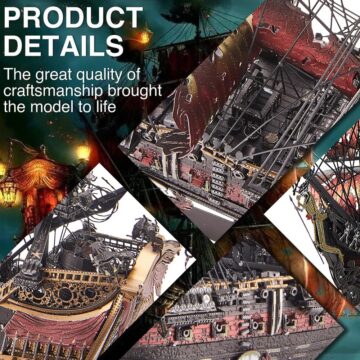


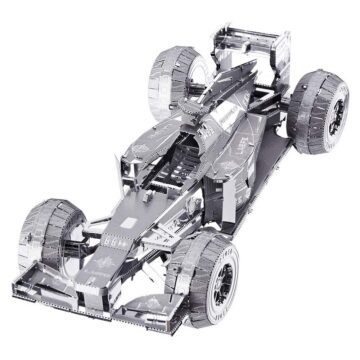
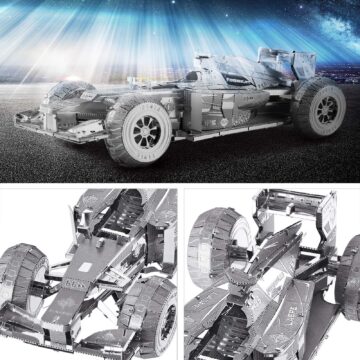
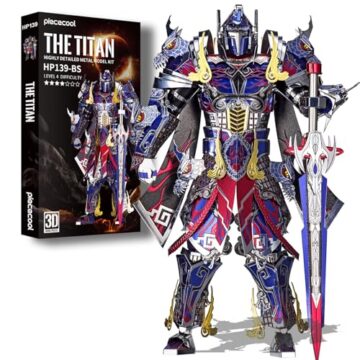
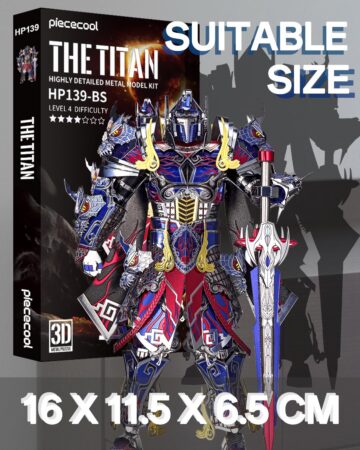
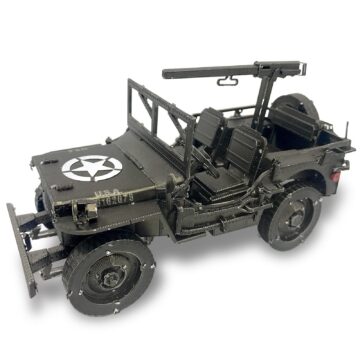
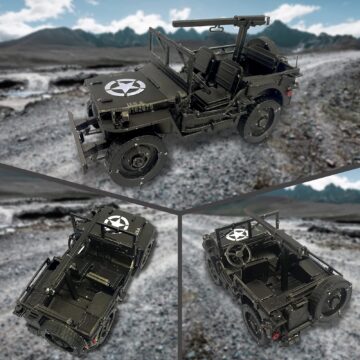
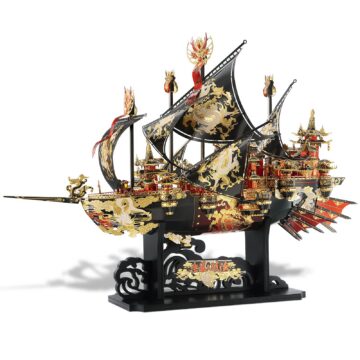

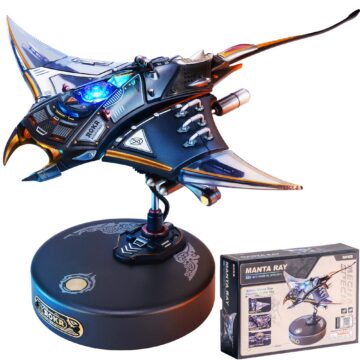
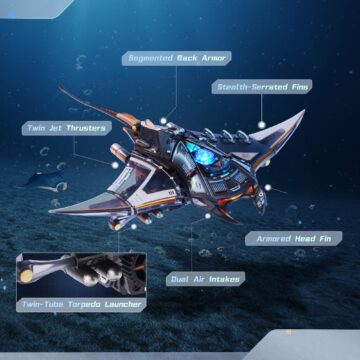
Showing 13–24 of 25 results
How to choose a 3D metal model kit
Metal kits are a step up in difficulty from wood — most are recommended for builders aged 16 and up, and a detailed model can take 8 or more hours to finish. Parts are laser-cut from steel sheets and fold and snap together without glue, so a small pair of needle-nose pliers makes bending and folding the tabs much easier. Check whether the finish is pre-coloured or raw steel: raw kits can be left with an industrial look or painted afterwards, while pre-coloured kits are ready to display straight out of the box. More piece count generally means more detail and a longer build.