Miniature House Kits
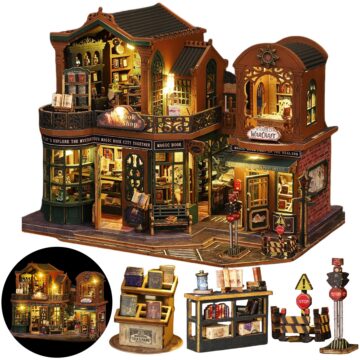
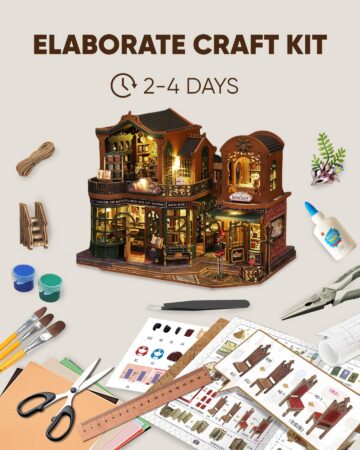
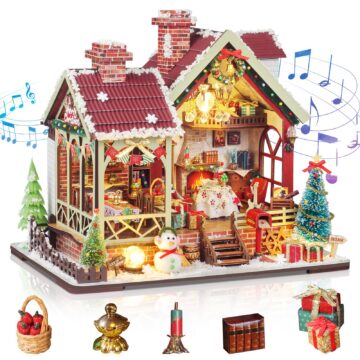
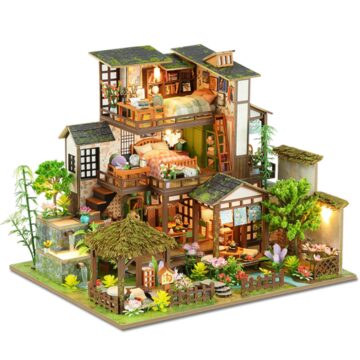
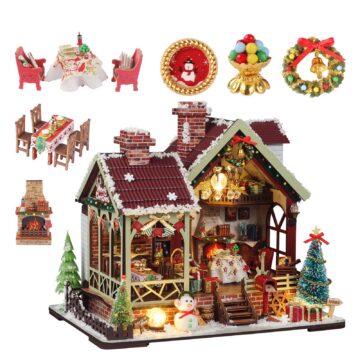
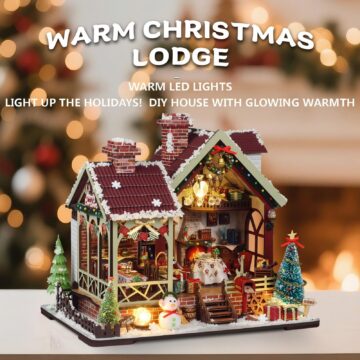
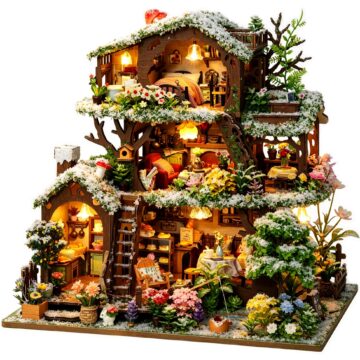
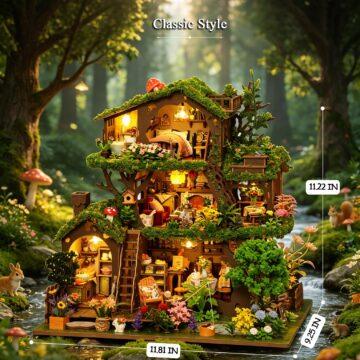
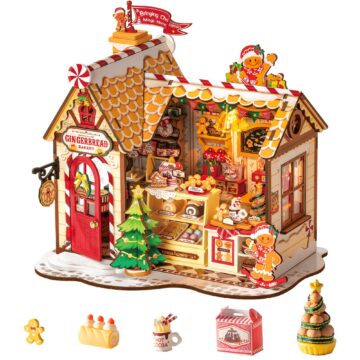
DIY miniature house kits are freestanding scenes built room by room. They combine a structural shell with tiny furniture, printed details, plants, lighting and decorative accessories. This collection is organised for adults and older teens who want a longer craft project and a display piece with depth on every side.
Read the complete buying guide
Compare the details that affect the build
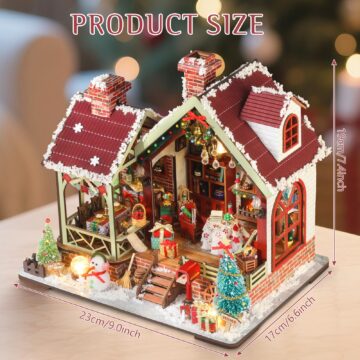
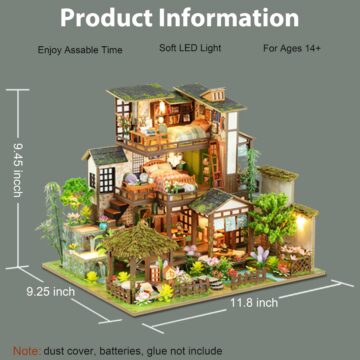
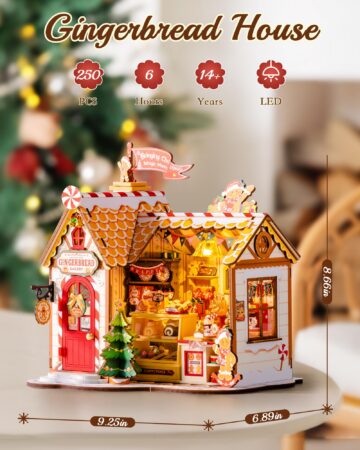
Check the finished dimensions first, then the scale, estimated assembly time and power requirements. Some houses use pre-coloured parts; others leave more room for painting and customisation. Lighting, dust covers, glue and batteries vary by listing, so the exact contents should be confirmed on Amazon before ordering.
- For beginners: fewer loose paper details and a clear numbered manual reduce setup time.
- For customisers: open room layouts make repainting, wallpaper and extra furniture easier.
- For display: measure the base as well as the height and allow room for doors or roofs to open.
- For gifts: consider the recipient’s patience, workspace and experience with small parts.
Build with less rework
Separate structural pieces from furniture and paper components. Complete walls, floors and concealed wiring before fixing the smallest accessories. The miniature house and dollhouse guide explains how these formats differ, while the miniature painting guide covers colour and finishing.
Affiliate disclosure: My Cutebee may earn from qualifying Amazon purchases. Availability and terms are controlled by Amazon and the listed seller.
Showing 13–24 of 43 results
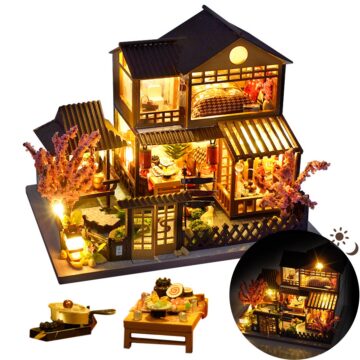
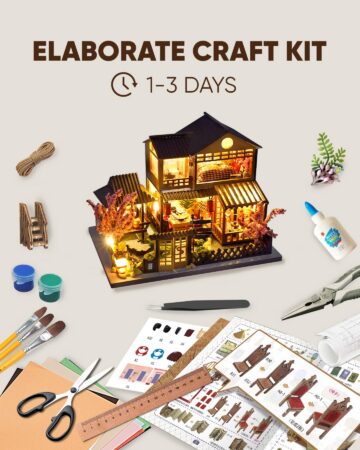
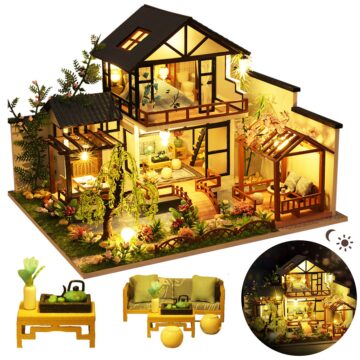
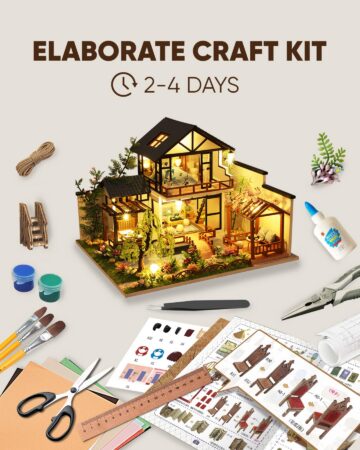
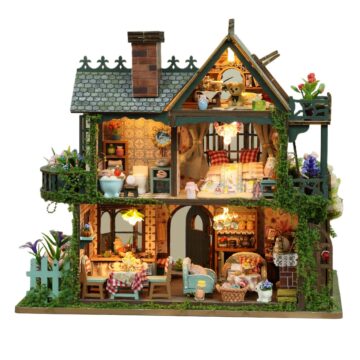
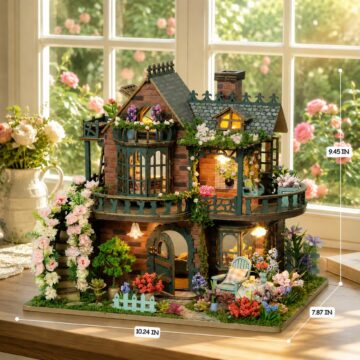
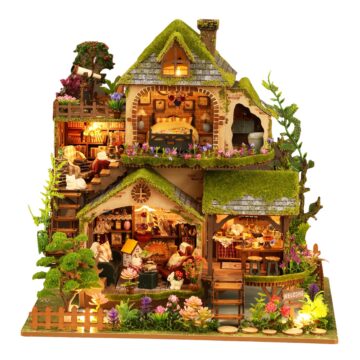
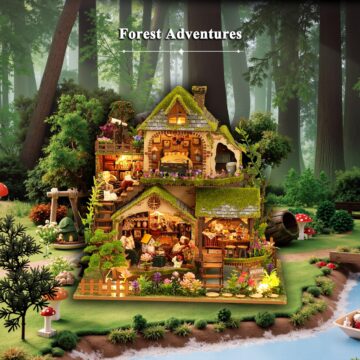
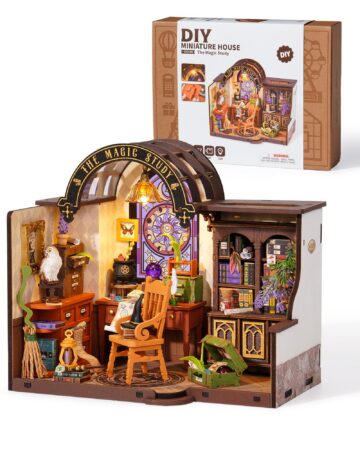
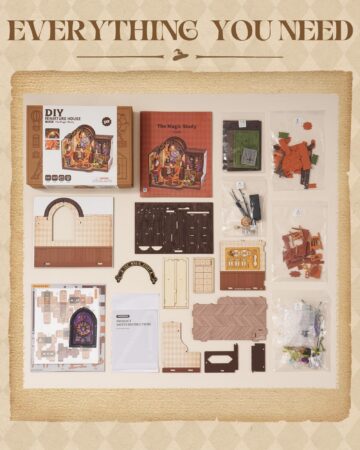
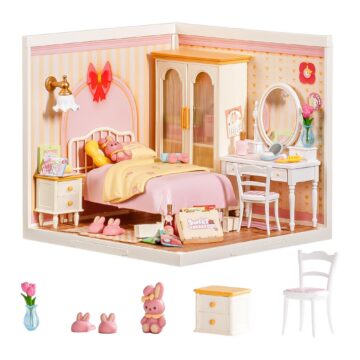
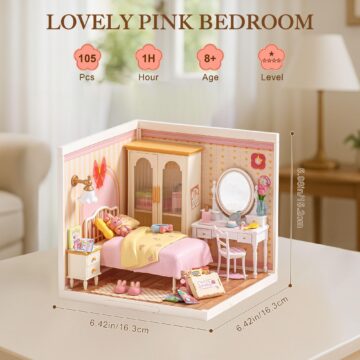
Showing 13–24 of 43 results
How to choose a miniature house kit
A miniature house is a bigger commitment than a book nook — you are furnishing multiple rooms rather than one scene, so expect a longer build and a richer result. Look at how many rooms the finished piece has, whether furniture and small props are included or need separate purchase, and whether it comes with LED lighting (often optional or bundled depending on the kit). These are usually beginner-to-intermediate builds: patient first-timers can manage one, but a themed or multi-storey house rewards some prior book-nook or puzzle experience.