3D Wooden Puzzle Kits
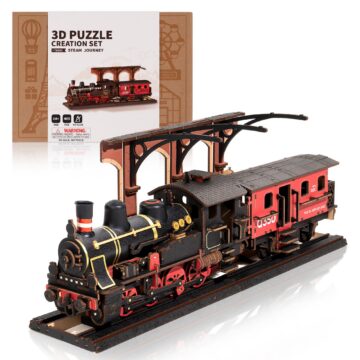
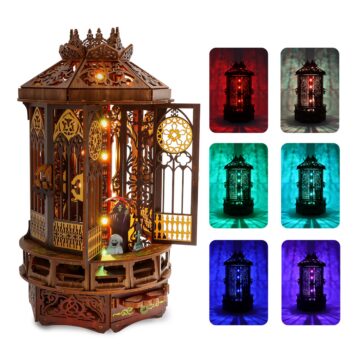
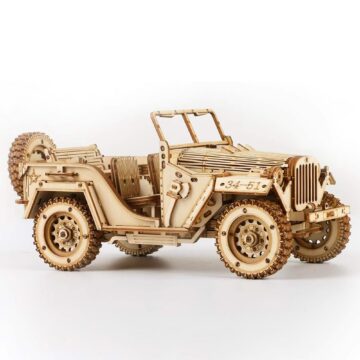
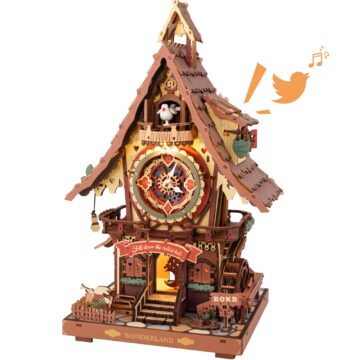
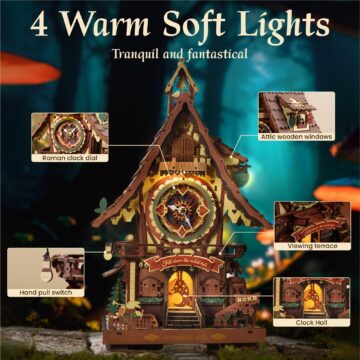
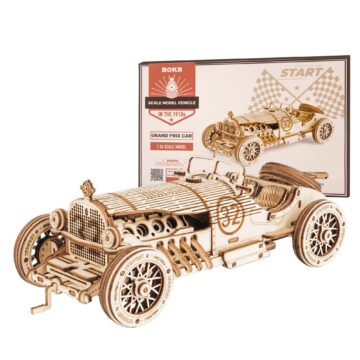
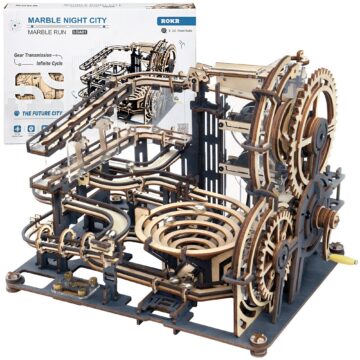
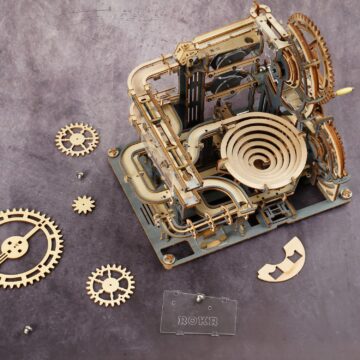
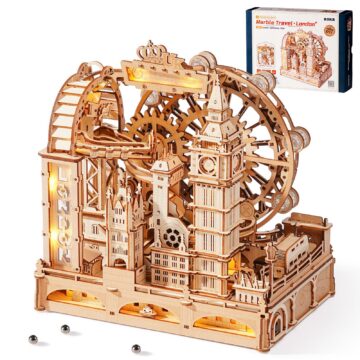
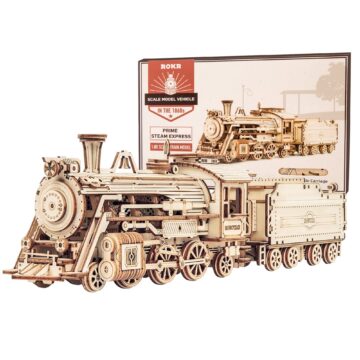
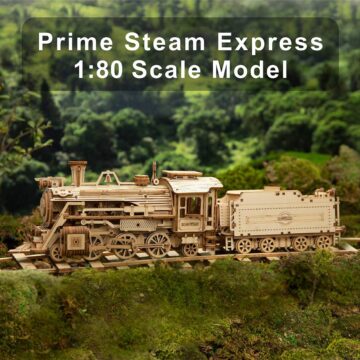
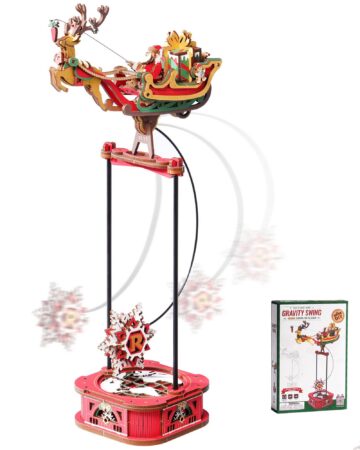
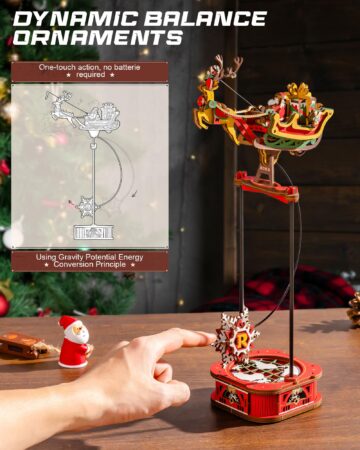
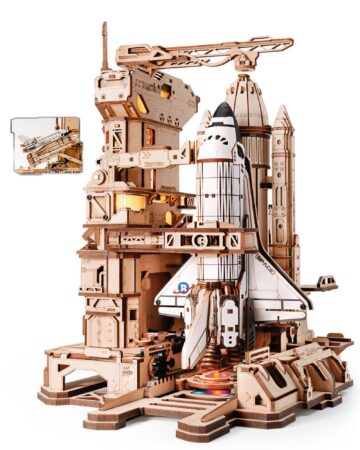
3D wooden puzzle kits replace the flat jigsaw format with a model you assemble and display. The collection includes architecture, marble runs, clocks, vehicles and decorative mechanisms. Many use numbered laser-cut plywood sheets; some are static, while others include gears, moving tracks or lights.
Read the complete buying guide
What makes one wooden model harder than another?
Piece count is useful, but mechanism complexity, curved parts and alignment matter just as much. A model with moving gears needs careful testing at each stage. A decorative structure may have more pieces yet be easier because the assembly repeats predictable shapes.
- Material: confirm the type and thickness of the wooden sheets.
- Assembly: look for press-fit construction, glue requirements and included tools.
- Movement: check whether the finished model is static, hand-driven, spring-driven or powered.
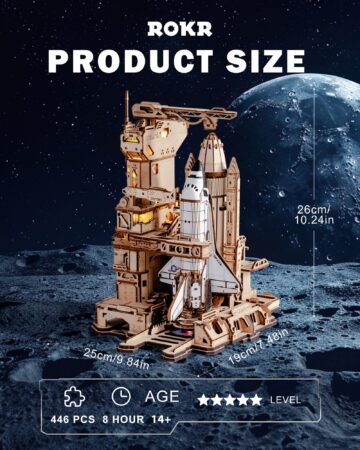
- Display size: compare the finished dimensions with the available shelf or desk space.
Get a cleaner result
Remove parts only when the manual calls for them, keep sheet numbers visible and avoid forcing tight joints. Test every moving section before the next layer hides it. Read the 3D wooden puzzle guide for format comparisons and practical build advice.
Affiliate disclosure: qualifying Amazon purchases may earn My Cutebee a commission at no additional cost to you.
Showing 13–24 of 34 results









Showing 13–24 of 34 results
How to choose a 3D wooden puzzle
Start with whether you want a static display piece or one with a working mechanism — gears, a music box, a marble run. Mechanisms are more satisfying to finish but take more patience, since the moving parts need to be seated correctly to actually work. Many designs press-fit together with no glue at all, which also makes them easier to take apart and rebuild; others ask for a dab of glue on specific joints. Piece count is the simplest guide to build time. For the full breakdown, see our 3D wooden puzzle guide.